Teeth Whitening
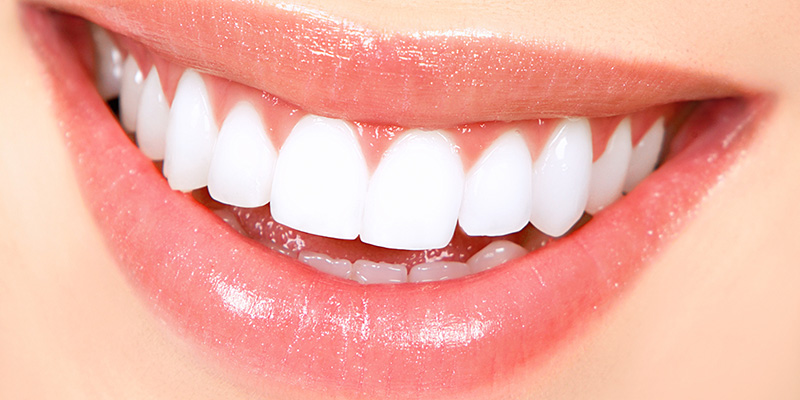
Teeth Whitening
Tooth color varies among individuals
and is influenced by genetic factors, age, dietary habits, and environmental
conditions. Over time, discolorations may occur due to tea, coffee, tobacco
use, certain medications, excessive fluoride exposure, or trauma.
Tooth whitening (bleaching) is a
controlled procedure used to lighten intrinsic and extrinsic discolorations of
the teeth. It may be applied to a single tooth or multiple teeth and typically
results in an average shade improvement of 1–2 levels.
Bleaching must always be performed
under the supervision of a dentist. Uncontrolled over-the-counter products may
damage the enamel and gingival tissues. Prior to treatment, a comprehensive
dental and periodontal examination is required; any caries, calculus,
inflammation, or enamel cracks must be treated beforehand, as these conditions
may increase postoperative sensitivity.
Tooth whitening should not be confused
with polishing, which is intended to remove calculus and surface stains. While
polishing eliminates external stains such as those caused by tea or tobacco,
bleaching lightens the natural color of the tooth.
Tooth
Whitening Methods
1.
Home Bleaching
Impressions
of the upper and lower arches are taken to fabricate custom-made transparent
trays.
A
low-concentration whitening gel is applied to the trays.
According
to the dentist’s instructions, the trays are typically worn for 2–6 hours per
day over a period of 7–14 days.
When
used correctly, this method does not harm the teeth or gingiva.
2.
Office Bleaching
The
procedure is performed in a clinical setting by the dentist.
The
gingiva is protected with a special barrier, and the whitening gel is applied
to the teeth.
The
gel is activated using a light or heat source in 15-minute cycles, repeated 2–3
times.
The
procedure lasts approximately one hour and provides noticeable results in a
single session.
For
the first 48 hours after treatment, patients are advised to avoid smoking, tea,
coffee, wine, and highly pigmented foods.
3.
Combined System
Home
bleaching is performed first, followed by an in-office bleaching session. This
approach is particularly effective for dark and stubborn discolorations.
Post-Whitening
Recommendations
A
“white diet” should be followed for the first 24–48 hours.
Any
sensitivity experienced is usually temporary and resolves within a few days.
To
maintain long-lasting results, regular oral hygiene practices and routine
dental check-ups are essential.
- Veneer & Smile Design: Enhancing Your Smile with Precision
- Emax Crowns: A Guide to the Latest Dental Technology
- Zirconium Crowns
- Digital Smile Design: Enhancing Your Smile with Technology
- Hollywood Smile
- Tooth Diamond, Tattoo, and Dental Grillz: A Professional Guide
- Implant Treatments
- General Anaesthesia: A Professional Overview
- All-on-4 vs All-on-6 Implant Treatment Options: Which is Right for You?
- Jaw Tumor and Fracture: A Professional Overview
- Snoring Treatment
- Temporomandibular Joint Issues
- Surgical Procedures
- Bad Breath Treatment: Effective Solutions for Fresher Breath
- Dental Spa: A Professional Approach to Oral Health
- Teeth Grinding: Causes, Symptoms, and Treatment
- Periodontology (Gum) Treatments
- Gum Aesthetics – Pink Aesthetic
- Restorative Dentistry
- Inlay-Onlay Fillings: A Professional Guide
- Sensitive Dental Treatment: Tips for Managing Pain During Procedures
- Orthodontic Treatment
- Clear Aligners (Invisalign): The Transparent Alternative to Traditional Braces
- Endodontics: What You Need to Know About Root Canal Treatment
- Pedodontics (Pediatric Dentistry)
- Prosthetic Treatments in Dentistry: A Comprehensive Overview
- Teeth Whitening