Surgical Procedures
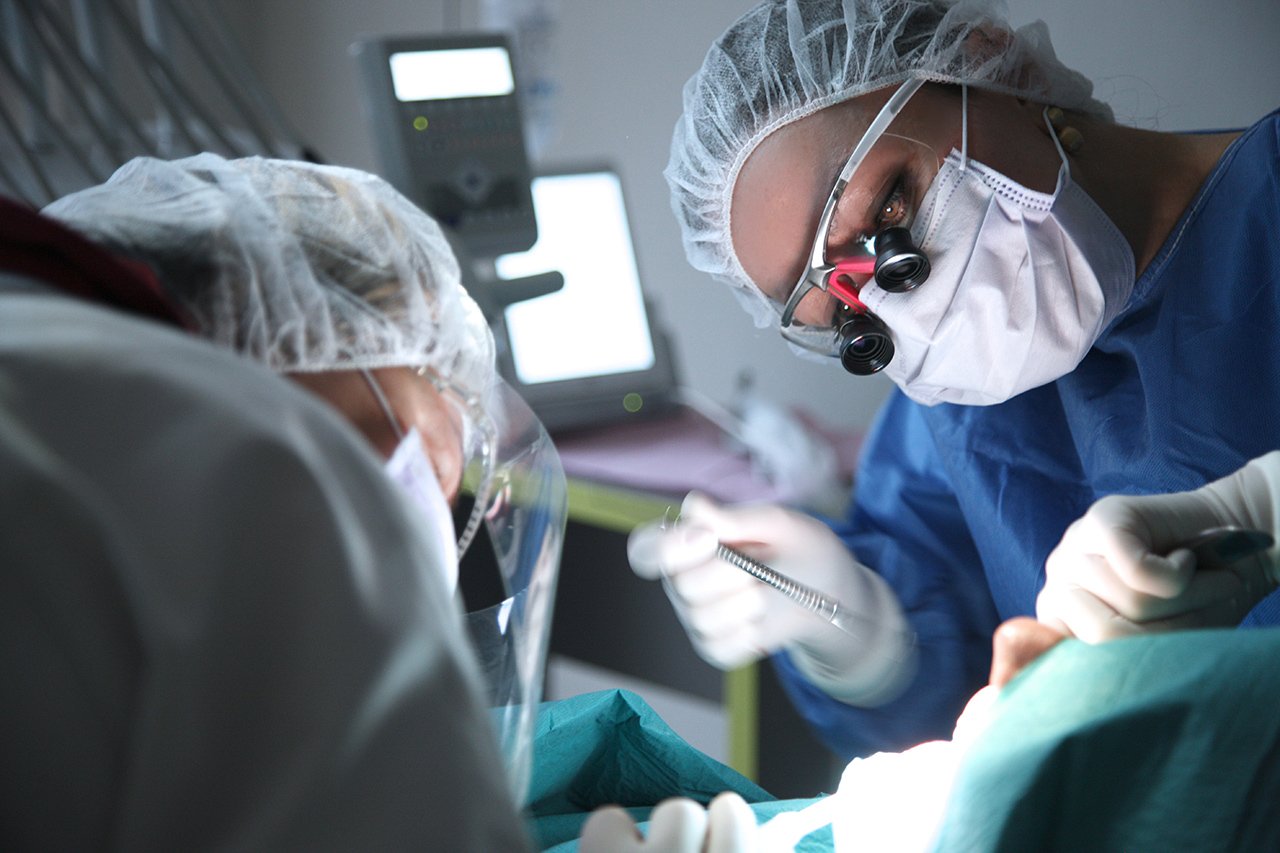
Surgical Procedures
Oral and maxillofacial surgery includes
the diagnosis and treatment of pathologies related to soft tissues and teeth,
such as cysts and tumors (including apical resection), treatment of tooth and
jaw fractures, removal or surgical exposure of impacted teeth, and corrective
procedures on hard and soft tissues to facilitate prosthetic treatment when
necessary.
Jaw and facial pain, temporomandibular
joint disorders, and salivary gland diseases are also within the scope of oral
and maxillofacial surgery. In addition, the detection and treatment of oral
manifestations of certain systemic diseases can be managed through this
specialty.
Advanced surgical procedures such as
dental implant placement, bone grafting in cases of insufficient bone volume,
and membrane applications are also part of oral and maxillofacial surgery.
Another area of focus is congenital or
acquired dentofacial anomalies. Common examples include cleft lip and palate,
as well as conditions where improper positioning of the upper or lower jaw
leads to impaired chewing function and aesthetic concerns.
Diagnosis in oral and maxillofacial
surgery is supported by periapical and panoramic radiographs, as well as
computed tomography. This allows for accurate diagnosis and precise treatment
planning prior to surgery. In many cases, a multidisciplinary approach
involving orthodontics, prosthodontics, and other dental specialties is
required to achieve optimal results.
Surgical procedures related to oral,
dental, and jaw diseases are generally performed under local anesthesia. Before
any surgical intervention, the patient’s systemic health conditions and
treatment-related anxiety must be carefully considered, and the treatment plan
should be tailored accordingly.
- Veneer & Smile Design: Enhancing Your Smile with Precision
- Emax Crowns: A Guide to the Latest Dental Technology
- Zirconium Crowns
- Digital Smile Design: Enhancing Your Smile with Technology
- Hollywood Smile
- Tooth Diamond, Tattoo, and Dental Grillz: A Professional Guide
- Implant Treatments
- General Anaesthesia: A Professional Overview
- All-on-4 vs All-on-6 Implant Treatment Options: Which is Right for You?
- Jaw Tumor and Fracture: A Professional Overview
- Snoring Treatment
- Temporomandibular Joint Issues
- Surgical Procedures
- Bad Breath Treatment: Effective Solutions for Fresher Breath
- Dental Spa: A Professional Approach to Oral Health
- Teeth Grinding: Causes, Symptoms, and Treatment
- Periodontology (Gum) Treatments
- Gum Aesthetics – Pink Aesthetic
- Restorative Dentistry
- Inlay-Onlay Fillings: A Professional Guide
- Sensitive Dental Treatment: Tips for Managing Pain During Procedures
- Orthodontic Treatment
- Clear Aligners (Invisalign): The Transparent Alternative to Traditional Braces
- Endodontics: What You Need to Know About Root Canal Treatment
- Pedodontics (Pediatric Dentistry)
- Prosthetic Treatments in Dentistry: A Comprehensive Overview
- Teeth Whitening