Restorative Dentistry
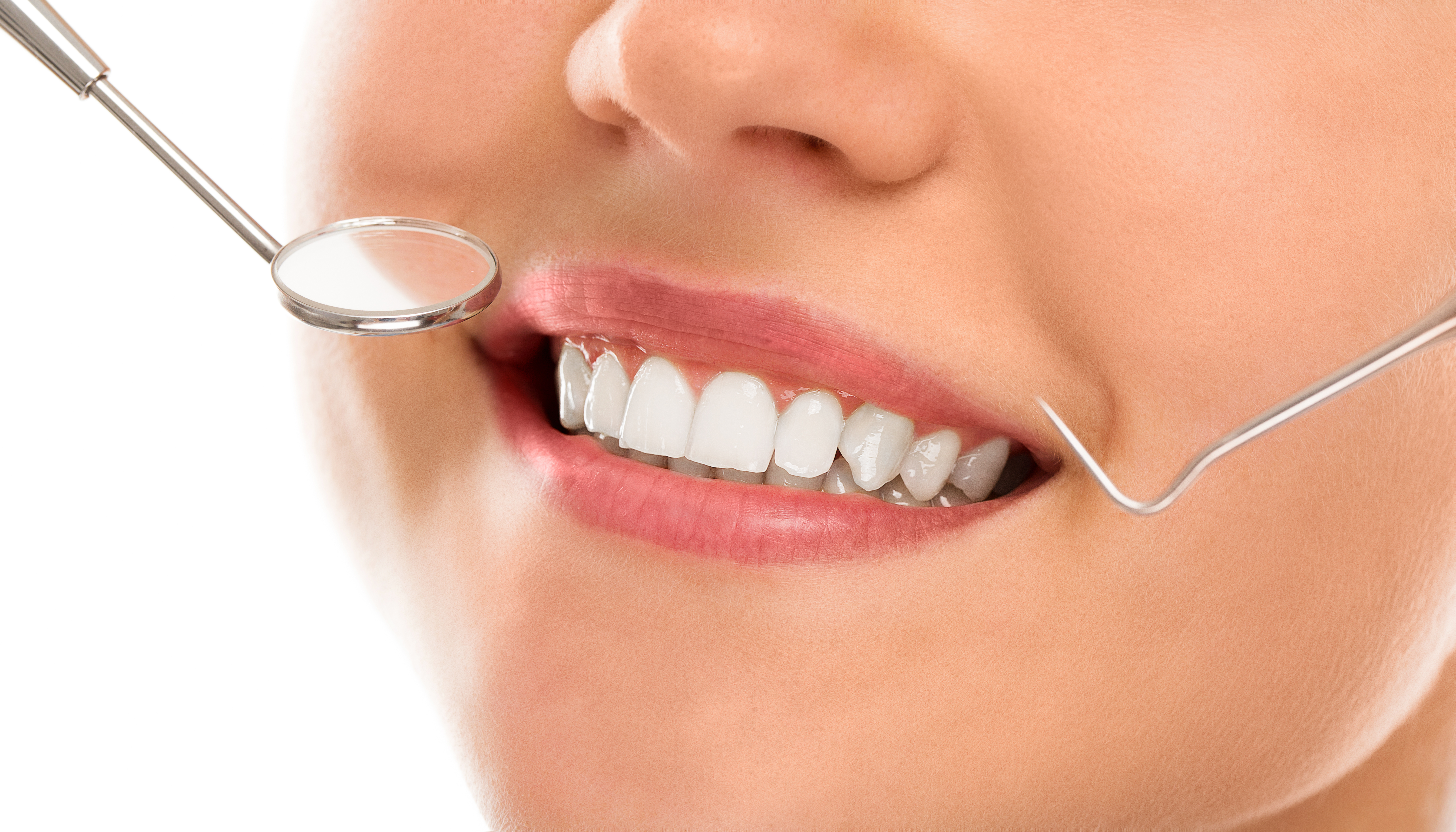
Restorative Dentistry
Restorative dental treatment involves
the removal of dental caries and the restoration of cavities or structural
defects caused by fractures or material loss by filling the prepared cavity
with an artificial restorative material.
Dental
Caries
Dental caries is defined as a disease
of the dental hard tissues that develops as a result of multiple interacting
factors. The main etiological factors of dental caries include:
Etiological
Factors of Dental Caries:
·
Dental
plaque
·
Microorganisms
·
Individual
factors (tooth structure, salivary composition, genetic predisposition, etc.)
·
Carbohydrate-rich
foods (sugars, refined flour, etc.)
·
Time
(duration of food retention in the oral cavity)
How
Do Teeth Develop Caries?
Bacterial plaque formed in the oral
cavity can metabolize residual sugars and carbohydrates, producing acids. These
acids dissolve the mineral structure of the tooth, leading to demineralization
of the enamel and resulting in tissue loss known as dental caries.
Dental caries may occur on the occlusal
surfaces, interproximal contact areas, or cervical regions near the gingiva.
Caries on visible surfaces, presenting as discoloration or cavitation, are
relatively easy to detect. However, hidden interproximal caries may remain
unnoticed for long periods and often require radiographic examination for
diagnosis.
If caries initiating in the enamel is
left untreated, it progresses into the dentin, which is more susceptible to
acid dissolution. As a result, caries advances more rapidly at this stage. When
dentin is involved, sensitivity to hot, cold, or sweet stimuli may occur and
typically resolves once the stimulus is removed. At this stage, treatment
usually requires a larger restoration. However, if pain becomes persistent, the
carious lesion has likely reached the pulp chamber, necessitating root canal
treatment.
Composite Restorations
Composite resin is a plastic-based
material containing silicon dioxide particles. Due to its wide range of shades,
it closely mimics natural tooth color and is therefore also referred to as an
aesthetic or tooth-colored filling. Initially used primarily for anterior
teeth, advancements in material technology have made composites suitable for
posterior teeth as well. The material is bonded to the tooth using a special
adhesive system and polymerized with a light-curing device. Finishing and
polishing are completed in the same appointment.
Composite
Laminate Veneers (Bonding)
Bonding is used to repair fractures and
cracks or to modify the shape and color of teeth, particularly in the anterior
region. First, the shade of the composite material is matched to the natural
tooth color. The tooth surface is then mildly etched to create micro-retention,
followed by the application of a bonding agent to ensure strong adhesion. After
placement, the composite material is shaped and hardened using a high-intensity
curing light, and finally polished to achieve a natural appearance. Bonding is
most effective for small restorations, as larger areas may be more prone to
fracture.
Porcelain
Inlays and Onlays
In cases of extensive tooth structure
loss where conventional fillings are insufficient yet full-coverage crowns
would be overly invasive, porcelain inlays and onlays provide an optimal
restorative solution. These restorations are custom-fabricated in a dental
laboratory using porcelain or composite materials to restore only the damaged
portion of the tooth.
This approach preserves maximum healthy
tooth structure while offering superior strength and esthetics compared to
traditional fillings. In endodontically treated teeth with reduced structural
support, endocrown designs utilize the pulp chamber for retention without
excessive reduction of surrounding tooth tissues. Manufactured using digital
scanning technologies with micron-level precision, these porcelain restorations
support periodontal health and optimally distribute occlusal forces. Modern
restorative techniques ensure the preservation of natural tooth form and
long-term functional durability.
Porcelain
Laminate Veneers
The anterior surfaces of the teeth are
minimally prepared by reducing approximately 0.5 mm of enamel. Impressions are
taken, and the porcelain veneers are fabricated by a dental technician. These
restorations are extremely thin—similar to the thickness of a fingernail—and
resemble shells that are bonded onto the natural tooth surface.
Due to their translucency and color
stability, porcelain laminate veneers provide a highly natural appearance that
harmonizes with the tooth’s shape, size, color, and length. They are commonly
used to correct discoloration, wear, minor misalignment, and aesthetic
irregularities.
What
is Porcelain Laminate Veneer Treatment?
Porcelain laminate veneers, also known
as “porcelain laminates” or “veneers,” are ultra-thin porcelain restorations.
This treatment involves bonding a custom-made porcelain layer, prepared in the
desired color, size, and shape, to the front surface of the tooth.
For this procedure, minimal preparation
is required—approximately 0.5 mm reduction from the front surface of the tooth.
In some cases, the treatment can be performed without any tooth reduction.
During the initial examination,
impressions are taken before any tooth preparation. Based on these impressions,
a wax-up model is prepared in the laboratory. At the scheduled appointment,
this model can be tried in the patient’s mouth to demonstrate the final
appearance of the teeth. This allows both the dentist and the patient to
evaluate the planned outcome and reach a mutual agreement.
After obtaining the patient’s approval,
final impressions are taken and sent to the laboratory. Once the veneers
prepared in the laboratory are tried in clinically, the final form is approved,
and the porcelain laminate veneers are bonded to the teeth, completing the
treatment.
What
are the advantages of Porcelain Laminate Veneers?
Porcelain does not undergo color
changes over time due to its material properties.
Since very little tooth structure is
removed, a significantly greater amount of natural tooth tissue can be
preserved compared to other restorative options.
How
long does Porcelain Laminate Veneer treatment take?
The
preparation phase generally takes approximately 7–10 days.
If
gingival (gum) adjustments are required, this period may be extended.
After
tooth preparation is completed, the veneers are usually delivered within
another 7–10 days.
Is
Porcelain Laminate Veneer treatment painful?
Because the enamel layer on the front
surface of the tooth is reduced, mild sensitivity to hot and cold may be
experienced. After tooth preparation, rough surfaces may be felt with the
tongue.
To prevent discomfort and aesthetic
concerns during the waiting period, temporary restorations are prepared and
placed after tooth preparation.
How
long do porcelain laminate veneers last?
If the patient maintains good oral
hygiene and attends regular check-ups every six months, no significant problems
are expected.
The lifespan may vary depending on
usage and individual habits; veneers may last 20–30 years, while in some cases
issues may occur within 5–6 years.
Full
Porcelain Crowns
Full porcelain crowns are made of
reinforced porcelain that transmits light at varying degrees, making them one
of the closest alternatives to natural teeth in terms of translucency.
They bond to the tooth both
mechanically and chemically.
Due to their composition, full
porcelain crowns are biocompatible and gentle on the gums.
Zirconium
Crowns
Zirconia crowns, with their high
fracture resistance and strength, can be successfully used in both anterior and
posterior regions.
The white-colored substructure of
zirconia ceramics eliminates aesthetic concerns associated with metal
frameworks.
This makes it possible to achieve
crowns that are both highly aesthetic and durable.
Which
is the Best Type of Filling?
There is no single filling material
suitable for everyone.
The most appropriate filling type is
determined based on the size of the cavity, any existing allergies to certain
materials, and the location of the tooth to be restored.
How
Can Dental Caries Be Prevented?
The first step is to visit the dentist
every six months for regular check-ups and to follow professional
recommendations.
Food debris and acids produced by
dental plaque can sometimes be neutralized by saliva alone. For this reason,
chewing sugar-free gum to stimulate saliva flow can be beneficial. Adequate and
fluid saliva has sufficient buffering capacity and a cleansing effect within
the oral cavity, helping to remove food debris and dissolve sugars.
However, saliva alone is often
insufficient to combat dental caries, especially in cases of rapidly
progressing decay.
The most effective way to prevent
cavities is regular toothbrushing and flossing. Toothbrushing plays a major
role in mechanically removing plaque. Brushing the tongue also helps eliminate
food residues.
Interdental cleaning can be effectively
achieved through the use of dental floss.
In cases where the enamel is weakened
but cavities have not yet formed, fluoride applications can strengthen the
enamel again through remineralization.
If your dentist determines that you
have an increased risk of developing caries, they may recommend personalized
toothpaste and mouth rinses to help reduce this risk.
- Veneer & Smile Design: Enhancing Your Smile with Precision
- Emax Crowns: A Guide to the Latest Dental Technology
- Zirconium Crowns
- Digital Smile Design: Enhancing Your Smile with Technology
- Hollywood Smile
- Tooth Diamond, Tattoo, and Dental Grillz: A Professional Guide
- Implant Treatments
- General Anaesthesia: A Professional Overview
- All-on-4 vs All-on-6 Implant Treatment Options: Which is Right for You?
- Jaw Tumor and Fracture: A Professional Overview
- Snoring Treatment
- Temporomandibular Joint Issues
- Surgical Procedures
- Bad Breath Treatment: Effective Solutions for Fresher Breath
- Dental Spa: A Professional Approach to Oral Health
- Teeth Grinding: Causes, Symptoms, and Treatment
- Periodontology (Gum) Treatments
- Gum Aesthetics – Pink Aesthetic
- Restorative Dentistry
- Inlay-Onlay Fillings: A Professional Guide
- Sensitive Dental Treatment: Tips for Managing Pain During Procedures
- Orthodontic Treatment
- Clear Aligners (Invisalign): The Transparent Alternative to Traditional Braces
- Endodontics: What You Need to Know About Root Canal Treatment
- Pedodontics (Pediatric Dentistry)
- Prosthetic Treatments in Dentistry: A Comprehensive Overview
- Teeth Whitening