Prosthetic Treatments in Dentistry: A Comprehensive Overview
Prosthetic Treatments in Dentistry: A Comprehensive Overview
Prosthetic
Treatments
Many people in our country and around
the world use dental prostheses. The number of patients receiving complete or
partial dentures is increasing every year. These types of removable prostheses
are important not only for restoring lost aesthetics, but also for improving
function (chewing) and phonation (speech).
Compared to other prostheses used in
the body, intraoral prostheses are generally easier to adapt to. Although they
are considered the closest replacement to lost tissues in terms of aesthetics
and function, an adaptation period is required after fabrication. During this
period, the cheeks, lips, temporomandibular joint, tongue, and brain need time
to adjust to the prosthesis. Any difficulties experienced during this process
can usually be overcome comfortably through good cooperation with your dentist.
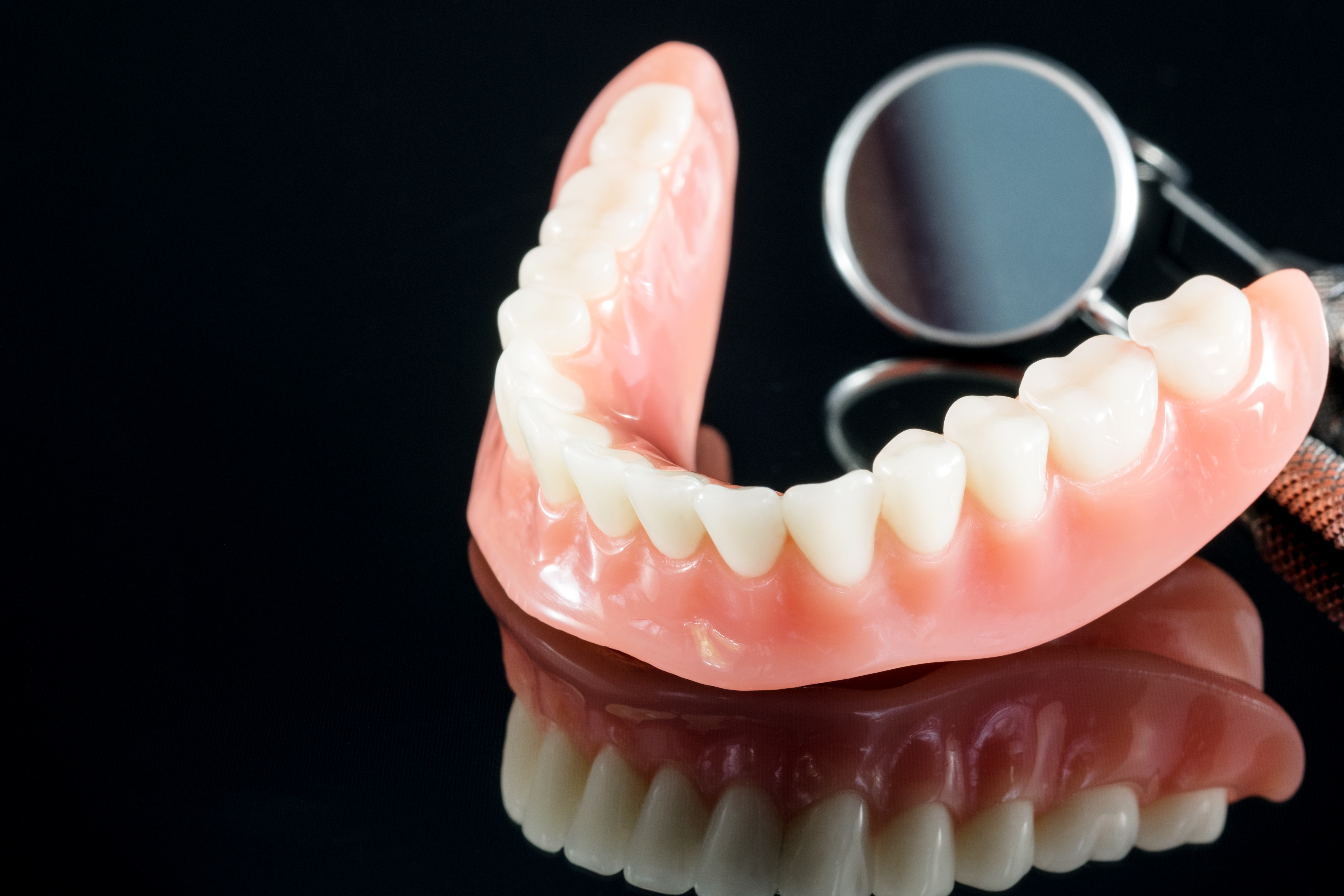
Partial and Complete Removable Dentures (Full Dentures)
Removable dentures have been used for
many years to restore missing teeth caused by partial or complete tooth loss.
These prostheses are supported both by the remaining teeth and by the
edentulous (toothless) areas of the jaws. The stability of these dentures in
the mouth varies depending on the condition of the supporting teeth and
tissues.
Complete dentures cannot receive
support from teeth, as there are no remaining teeth in the mouth. In the upper
jaw, complete dentures resist gravity through a suction effect, whereas in the
lower jaw, the movement of the tongue, lips, and cheek muscles can negatively
affect denture stability. Over time, increased muscle tone and adaptation of
the muscles to the denture may improve the stability of lower dentures.
In cases of partial tooth loss, if a
removable denture is preferred, additional support can be obtained from the
remaining teeth using clasps or precision attachments, resulting in more stable
prostheses. The main advantages of these prostheses are their affordability and
relatively short fabrication time. However, disadvantages include possible wear
and decay of abutment teeth caused by clasps, excessive forces transmitted to
the supporting teeth and tissues leading to tissue breakdown, insufficient
force transmission to the jawbone resulting in continued bone resorption, and
the necessity to remove the denture at night.
- Veneer & Smile Design: Enhancing Your Smile with Precision
- Emax Crowns: A Guide to the Latest Dental Technology
- Zirconium Crowns
- Digital Smile Design: Enhancing Your Smile with Technology
- Hollywood Smile
- Tooth Diamond, Tattoo, and Dental Grillz: A Professional Guide
- Implant Treatments
- General Anaesthesia: A Professional Overview
- All-on-4 vs All-on-6 Implant Treatment Options: Which is Right for You?
- Jaw Tumor and Fracture: A Professional Overview
- Snoring Treatment
- Temporomandibular Joint Issues
- Surgical Procedures
- Bad Breath Treatment: Effective Solutions for Fresher Breath
- Dental Spa: A Professional Approach to Oral Health
- Teeth Grinding: Causes, Symptoms, and Treatment
- Periodontology (Gum) Treatments
- Gum Aesthetics – Pink Aesthetic
- Restorative Dentistry
- Inlay-Onlay Fillings: A Professional Guide
- Sensitive Dental Treatment: Tips for Managing Pain During Procedures
- Orthodontic Treatment
- Clear Aligners (Invisalign): The Transparent Alternative to Traditional Braces
- Endodontics: What You Need to Know About Root Canal Treatment
- Pedodontics (Pediatric Dentistry)
- Prosthetic Treatments in Dentistry: A Comprehensive Overview
- Teeth Whitening