LAMINATE VENEERS AND SMILE DESIGN
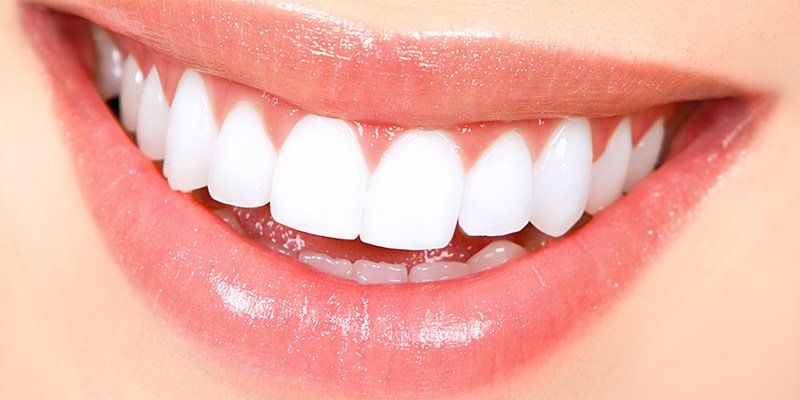
LAMINATE VENEERS AND SMILE DESIGN
Laminate
veneers and smile design are cosmetic dental procedures that have the ability
to transform an individual’s smile and have become increasingly popular.
Laminate veneers are thin layers of porcelain or composite resin that are
bonded to the front surfaces of teeth to enhance their appearance. They can be
used to correct a variety of aesthetic concerns, including tooth discoloration,
chipped or fractured teeth, and interdental spacing.
Smile
design is a comprehensive approach aimed at improving the overall appearance of
a person’s smile. The objective of smile design is to create a smile that is
both aesthetically pleasing and functional by considering factors such as facial
symmetry, tooth shape and size, and the overall harmony of the oral region.
Smile design can be tailored to each patient’s individual needs and
preferences, making it a highly personalized approach within cosmetic
dentistry.
Fundamentals of Laminate Veneers and
Smile Design
Laminate
veneers are a popular cosmetic dentistry solution that can transform a
patient’s smile. They are thin layers made of porcelain or composite resin that
are bonded to the front surfaces of the teeth to enhance their appearance.
Smile
design, on the other hand, is the process of creating an aesthetically pleasing
smile that is harmonious with the patient’s facial features.
Types of Laminate Veneers
There
are two main types of laminate veneers: porcelain and composite resin. Porcelain
veneers are more durable and more resistant to staining compared to composite
resin veneers. Composite resin veneers can usually be completed in a single
appointment; however, they may not be as long-lasting as porcelain veneers.
Types of Laminate Veneers
There
are two main types of laminate veneers: porcelain and composite resin.
Porcelain veneers are more durable and more resistant to staining compared to
composite resin veneers. Composite resin veneers can usually be completed in a
single appointment; however, they may not be as long-lasting as porcelain
veneers.
Principles of Smile Aesthetics
Smile design is based on several fundamental
principles of smile aesthetic, including:
- Tooth proportion: The size and shape of
the teeth should be proportional to each other and in harmony with the
patient’s facial features.
- Tooth symmetry: The teeth should appear
symmetrical and balanced on both sides of the dental arch.
- Tooth color: Teeth should exhibit a
natural white shade that complements the patient’s skin tone and eye color.
- Tooth texture: The surface texture of the
teeth should be smooth and glossy.
- Gingival contour: The gingival margin
should be even and follow the natural curvature of the teeth.
In
conclusion, laminate veneers and smile design ca significantly enhance a
patient’s smile and improve self-confidence. By understanding the different
types of veneers and the principles of smile aesthetics, patients can work
collaboratively with their dentists to achieve their ideal smile.
Clinical Procedures
Patient Assessment
Before
initiating any laminate veneer treatment, the patient must undergo a
comprehensive evaluation. This includes a thorough examination of the teeth,
gingiva, and overall oral health. The dentist will assess the patient’s
occlusion, tooth alignment, and dental condition to determine whether laminate
veneers are an appropriate treatment option. Radiographs and dental impressions
may also be obtained to support the diagnostic process.
During
the assessment, the dentist will discuss the patient’s goals and expectations
regarding their smile. The veneer procedure will be explained in detail, and
any questions the patient may have will be addressed. This step is essential to
ensure that the patient is fully informed and comfortable with the proposed
treatment plan.
Tooth Preparation
To
prepare the teeth for laminate veneers, the dentist will remove a thin layer of
enamel from the tooth surface. This step is necessary to ensure proper fit and
to create an optimal bonding surface for the veneer. The amount of enamel
reduction is minimal, typically less than 0.5 mm, and is performed under local
anesthesia to ensure patient comfort.
Once
the minimal enamel reduction is completed, an impression of the teeth is taken
and sent to a dental laboratory, where the veneers are custom fabricated to fit
the patient’s teeth precisely.
Veneer bonding
The
veneers are carefully positioned on the teeth and adjust for fit and color.
After all evaluations are completed, a special dental adhesive is used to bond
the veneers to the teeth. A curing light is then applied to harden the adhesive
and ensure a strong and durable bond.
Overall,
laminate veneer treatment is a safe and effective method for improving the
appearance of a patient’s smile. With proper patient assessment, tooth
preparation, and veneer bonding, patients can achieve a beautiful and
natural-looking smile.
Maintenance and Aftercare
Following
laminate veneer treatment, maintaining proper oral hygiene is essential to
ensure the longevity of the veneers. The following recommendations can help
preserve and protect veneers:
·
Tooth Brushing and Flossing
Regular
tooth brushing and flossing are crucial to prevent plaque and calculus
accumulation on and around the veneers. A soft-bristled toothbrush and a
non-abrasive toothpaste should be used to avoid damaging the veneers. Dental
floss should be used carefully to prevent dislodgement.
·
Avoid Staining Foods and
Beverages
Certain
foods and beverages such as coffee, tea, red wine, and berries, may cause
staining of veneers. To minimize discoloration, it is advisable to limit the
consumption of these items. If consumed, rinsing the mouth with water afterward
is recommended.
·
Use of a Mouthguard
If
participating in contact sports or activities that may pose a risk to veneers,
wearing a protective mouthguard is recommended.
·
Regular Dental Check-Ups
Routine
dental visits are essential to ensure that the veneers remain in good condition
and function properly. The dentist may also perform professional cleaning to
remove any deposits or surface stains.
By
following these guidelines, individuals can protect their veneers and maintain
a healthy, attractive smile for many years.