Acquired Habits and Treatments
Acquired Habits and Treatments
Teeth Clenching and Grinding (Bruxism)
Teeth clenching and grinding, known as
bruxism, is one of the most common parafunctional habits observed in the
general population. Epidemiological studies indicate that the prevalence of
bruxism in adults ranges between 8% and 30%. In children, the prevalence is
reported to be approximately 14–20%, and the condition often goes unnoticed by
families.
Etiology of Bruxism
There is no single definitive cause of
bruxism. Stress-related factors encountered in daily life—such as intense work
demands, psychosocial problems, and anxiety disorders—can particularly trigger
clenching and grinding during sleep. During these episodes, the forces
transmitted to the teeth may reach several times the magnitude of normal masticatory
forces. Most individuals are unaware of their bruxism and seek dental care due
to complaints of pain in the facial muscles, temporomandibular joints, or
teeth.
Bruxism typically occurs involuntarily
during sleep. Despite its often brief duration, the excessive forces generated
may lead to tooth wear, fractures, hypersensitivity, thermal sensitivity, and
pain in the temporomandibular joint region. In advanced cases, excessive tooth
wear may result in loss of vertical dimension, facial height reduction, and
associated esthetic concerns.
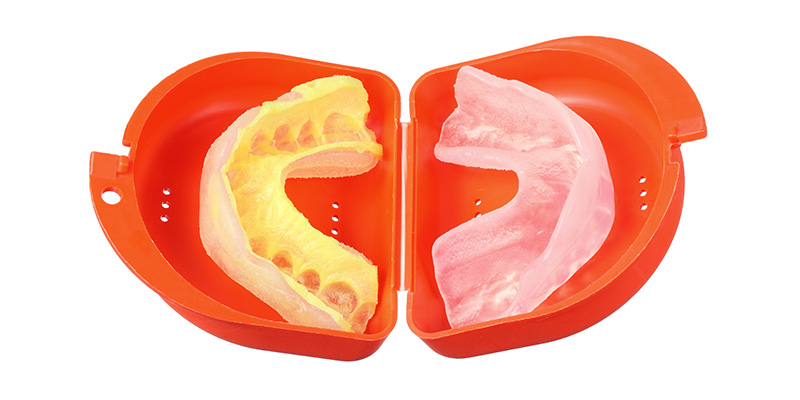
Occlusal splints (night guards) are commonly
used to reduce the forces transmitted to the teeth and to prevent progression
of existing damage. Depending on the clinical situation, splints of varying
rigidity may be preferred. Bruxism is more frequently observed in individuals
with malocclusion and in children with a family history of this condition.
Clinical Signs and Symptoms of Bruxism
• Tooth
wear
• Fracture
of teeth and restorations
• Audible
grinding sounds during sleep
• Pain
in facial muscles and temporomandibular joints
• Joint
sounds during mandibular movement
• Headache
• Tooth
sensitivity, mobility, or spacing
Management of Bruxism
The most common and effective treatment
approach is the use of a custom-made occlusal splint fabricated by a dentist.
Additional therapeutic strategies may be planned when clinically indicated.
Nail Biting Habit and Its Management
Nail
biting is a habit primarily associated with psychological factors and is
considered an indicator of insecurity, anxiety, and stress in children. Family
dynamics play a significant role in the development of this behavior. Overly
authoritarian parenting styles, sibling rivalry, lack of emotional support,
tension, and stress may contribute to its onset. Nail biting can also be
acquired through imitation; the presence of this habit in family members
increases the likelihood of its development in children.
This
habit may lead to tooth wear, enamel cracks, gingival problems, excessive
loading of the temporomandibular joints, and the transfer of bacteria into the
oral cavity.
Management
primarily focuses on identifying the underlying causes and implementing
behavioral strategies in collaboration with the family. Methods aimed at
increasing the child’s awareness, positive reinforcement, and professional
psychological support when necessary, form the foundation of treatment. In
cases where dental wear or damage is present, preventive and restorative
interventions may be performed by a pediatric dentist. Early detection and
appropriate management help prevent permanent dental and skeletal
complications.
Thumb Sucking in Children and Its
Management
Thumb
sucking is a common and natural behavior during infancy and early childhood;
however, persistence beyond the age of 3–4 years may adversely affect dental
and jaw development. Prolonged thumb sucking can result in proclination of
maxillary incisors, anterior open bite, maxillary constriction, and speech
disorders.
The
initial phase of management involves assessing the child’s age and the duration
of the habit. In many cases, behavioral guidance, positive reinforcement, and
family support are sufficient to control the habit. When the habit persists and
begins to affect dentofacial structures, intraoral habit-breaking appliances
may be applied by a pediatric dentist. Early intervention is essential to
prevent future orthodontic complications.